ANSMET@50:
Stories and insights for the Golden anniversary of the US Antarctic Search for Meteorites program
The US Antarctic Meteorite Program (ANSMET) was born in 1976, 7 years after the first systematic recoveries led by Japan. High levels of logistical support by the US Antarctic Program paired with consistently strong and altruistic efforts in curation and characterization by NASA and the Smithsonian Institution quickly made ANSMET-recovered samples vitally important to planetary science. Many of these samples led to significant, paradigm-shifting discoveries, such as the first identifications of lunar and martian meteorites. 50 years later, our catalog of the materials present among meteorites has evolved significantly, and ANSMET samples continuing to provide unique insights into our solar system’s history. Yet the basics of the fieldwork remain relatively unchanged, a testimony to its effectiveness. This presentation will discuss the history of the ANSMET project from its origin to the current day, and its broad impact on planetary science and Antarctic studies.
Presenter:
Details:
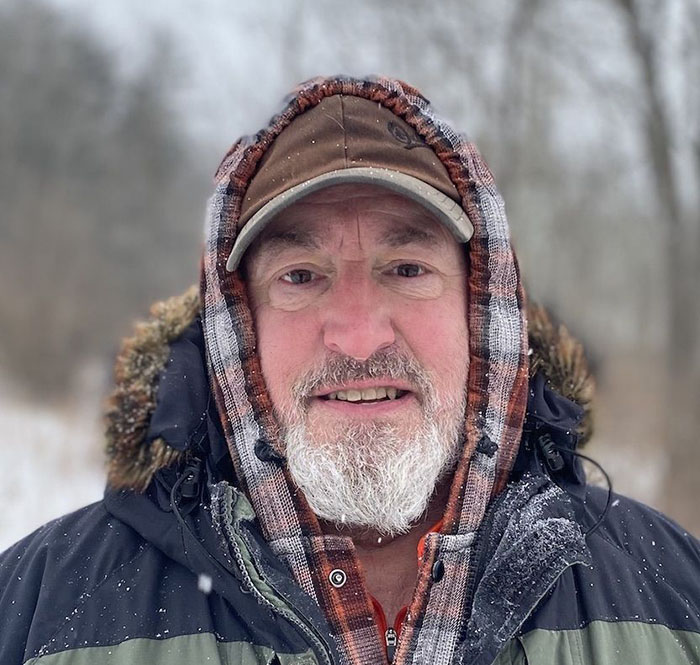
Ralph Harvey
Ralph Harvey is a Professor in the Department of Earth, Environmental and Planetary Science at Case Western Reserve University. A broadly-trained geologist with a BS from Beloit College and a Ph.D. from the University of Pittsburgh, his research explores the climate history of our solar system through mineralogical and geochemical studies of planetary materials (meteorites, micrometeorites and rocks from other planetary bodies).
He was the Principal Investigator and field team leader for the U.S. Antarctic Search for Meteorites program from 1991 to 2023. A frequent collaborator, he is an author on more than 200 publications on topics that range far beyond meteorites, from experimental studies of the weathering of basaltic rocks at Venus’ surface to possible records of dark matter in granites. A Recipient of Case’s Faculty Distinguished Research Award as well as the Meteoritical Society’s Service Award, he is a Fellow of the Geological Society of America and the Meteoritical Society, and both an asteroid and an Antarctic mountain now bear his name.